Factory Tint vs Aftermarket Tint

May 6, 2026

Factory Tint vs. Aftermarket Tint: What’s the Difference for Houston, TX Drivers?

Houston drivers comparing factory tint vs aftermarket tint often assume dark glass equals heat protection. In reality, many vehicles with factory privacy glass still trap intense heat during long Houston summers.


Understanding how factory tint differs from aftermarket window tint helps explain why cabins overheat, interiors fade, and UV exposure remains a concern. This guide breaks down those differences using Houston-specific climate factors, performance metrics, and legal limits.


What is Factory Tint? Understanding Privacy Glass

Factory tint, also called privacy glass, is automotive glass darkened during manufacturing. Pigment is mixed into the glass itself rather than applied as a surface film. Because of this process, factory tint cannot be removed or adjusted.


Most SUVs and trucks sold in Houston include OEM window tint on rear windows. Its main function is visual privacy. Heat rejection and UV protection are not part of its design.


How Factory Tint is Made (Pigment inside glass)

During production, manufacturers embed metal oxides or dyes between glass layers at very high temperatures. This dyed glass vs window film method permanently darkens the window.What it does not add is a dedicated layer for infrared or ultraviolet rejection. The color remains, but performance stays limited.


Why it’s called “Privacy Glass” (Aesthetics vs. Performance)

Privacy glass reduces visibility from outside the vehicle. This is useful for cargo areas and rear seating.

However, privacy glass trades protection for appearance. It offers minimal UV protection for cars and allows most infrared heat to pass through, even though the glass looks dark.


What is Aftermarket Window Tint? Performance Beyond Darkness

Aftermarket window tint is a film applied to the interior side of the glass. These films are engineered to control heat, block UV radiation, and improve driving comfort.For Houston’s climate, performance-focused films matter more than shade alone. Modern ceramic options, including those produced by HITEK Films, are designed for sustained heat and high humidity.


Ceramic Window Tint vs Carbon vs Dyed Films

Dyed films absorb some heat but break down quickly under strong sun exposure. Color fading is common.Carbon films last longer and avoid metallic layers. Heat rejection improves, but performance remains moderate.Ceramic films use non-metallic nano-particles. They block infrared heat and UV rays without interfering with electronics. In humid Houston conditions, ceramic films maintain stability the longest.


The Science of Heat Rejection (IR and UV)

Infrared radiation accounts for over half of the heat that enters a vehicle. UV rays contribute less heat but cause skin damage and interior fading.Total Solar Energy Rejection, or TSER, measures how much heat a tint blocks overall. Factory tint typically stays below 30% TSER. High-quality ceramic window tint often exceeds 60%.This difference can reduce interior temperatures by 20 to 30 degrees during peak Houston heat.


Factory Tint vs Aftermarket Tint: Houston Performance Comparison

The practical differences between factory tint and aftermarket ceramic tint become clear in daily driving.Factory tint provides fixed darkness and privacy but weak heat rejection. UV protection is limited, especially against UVA rays. There is no flexibility to adjust Visible Light Transmission (VLT).


Aftermarket ceramic tint offers strong infrared rejection, up to 99% UV protection, and adjustable VLT levels that can meet Texas window tint laws. Ceramic films also resist humidity-related fading.


Why Factory Tint Fails in Houston’s 100°F Heat

Houston’s heat and moisture accelerate pigment breakdown in factory glass. Infrared radiation passes through easily, heating seats and dashboards.A common misconception involves back-seat safety. Dark factory glass does not protect children or pets from UVA exposure. It only limits visibility.


Protecting your car’s interior from the Texas sun

Ceramic window tint slows dashboard cracking, upholstery fading, and trim damage. This protection helps maintain resale value in Texas markets.Because ceramic films contain no metal, they do not interfere with GPS, phones, or toll systems. This matters in dense Houston traffic and urban areas.


Can You Tint Over Factory Privacy Glass?

Yes, aftermarket tint can be applied over factory privacy glass, but legal limits still apply.Texas window tint laws 2026 require at least 25% VLT on front windows. If factory glass measures 20% and a 35% film is added, the combined result is about 7% VLT. That level is illegal and may result in fines.Accurate measurement is essential before adding film.


Best Window Tint for Houston Heat: Making Your Choice

The best window tint for Houston heat prioritizes TSER and UV protection, not darkness alone.Low-cost dyed films often fail early in humid environments. Performance drops long before appearance changes.


Why Ceramic Tint is Best for Houston Car Window Tinting

Ceramic tint blocks infrared heat without using metal, making it well suited for Houston car window tinting services.

Premium ceramic films, such as those from HITEK Films, are engineered to handle constant sun exposure, high humidity, and long-term use.


Conclusion: Which is Right for You?

Factory tint meets basic privacy needs, but aftermarket ceramic tint delivers real heat and UV protection in Houston’s climate.

📞Call *phone number* to get a free quote from a professional who’ll help you understand how tint performance works allows drivers to choose protection based on comfort, safety, and long-term durability.

Ceramic Window Tint vs Carbon vs Dyed Films

Dyed films absorb some heat but break down quickly under strong sun exposure. Color fading is common.


Carbon films last longer and avoid metallic layers. Heat rejection improves, but performance remains moderate.


Ceramic films use non-metallic nano-particles. They block infrared heat and UV rays without interfering with electronics. In humid Houston conditions, ceramic films maintain stability the longest.

The Science of Heat Rejection (IR and UV)

Infrared radiation accounts for over half of the heat that enters a vehicle. UV rays contribute less heat but cause skin damage and interior fading.


Total Solar Energy Rejection, or TSER, measures how much heat a tint blocks overall. Factory tint typically stays below 30% TSER. High-quality ceramic window tint often exceeds 60%.


This difference can reduce interior temperatures by 20 to 30 degrees during peak Houston heat.

Factory Tint vs Aftermarket Tint: Houston Performance Comparison

The practical differences between factory tint and aftermarket ceramic tint become clear in daily driving.


Factory tint provides fixed darkness and privacy but weak heat rejection. UV protection is limited, especially against UVA rays. There is no flexibility to adjust Visible Light Transmission (VLT).


Aftermarket ceramic tint offers strong infrared rejection, up to 99% UV protection, and adjustable VLT levels that can meet Texas window tint laws. Ceramic films also resist humidity-related fading.


Why Factory Tint Fails in Houston’s 100°F Heat

Houston’s heat and moisture accelerate pigment breakdown in factory glass. Infrared radiation passes through easily, heating seats and dashboards.


A common misconception involves back-seat safety. Dark factory glass does not protect children or pets from UVA exposure. It only limits visibility.


Protecting your car’s interior from the Texas sun

Ceramic window tint slows dashboard cracking, upholstery fading, and trim damage. This protection helps maintain resale value in Texas markets.


Because ceramic films contain no metal, they do not interfere with GPS, phones, or toll systems. This matters in dense Houston traffic and urban areas.


Can You Tint Over Factory Privacy Glass?

Yes, aftermarket tint can be applied over factory privacy glass, but legal limits still apply.


Texas window tint laws 2026 require at least 25% VLT on front windows. If factory glass measures 20% and a 35% film is added, the combined result is about 7% VLT. That level is illegal and may result in fines.


Accurate measurement is essential before adding film.

Best Window Tint for Houston Heat: Making Your Choice

The best window tint for Houston heat prioritizes TSER and UV protection, not darkness alone.


Low-cost dyed films often fail early in humid environments. Performance drops long before appearance changes.


Why Ceramic Tint is Best for Houston Car Window Tinting

Ceramic tint blocks infrared heat without using metal, making it well suited for Houston car window tinting services.


Premium ceramic films, such as those from HITEK Films, are engineered to handle constant sun exposure, high humidity, and long-term use.

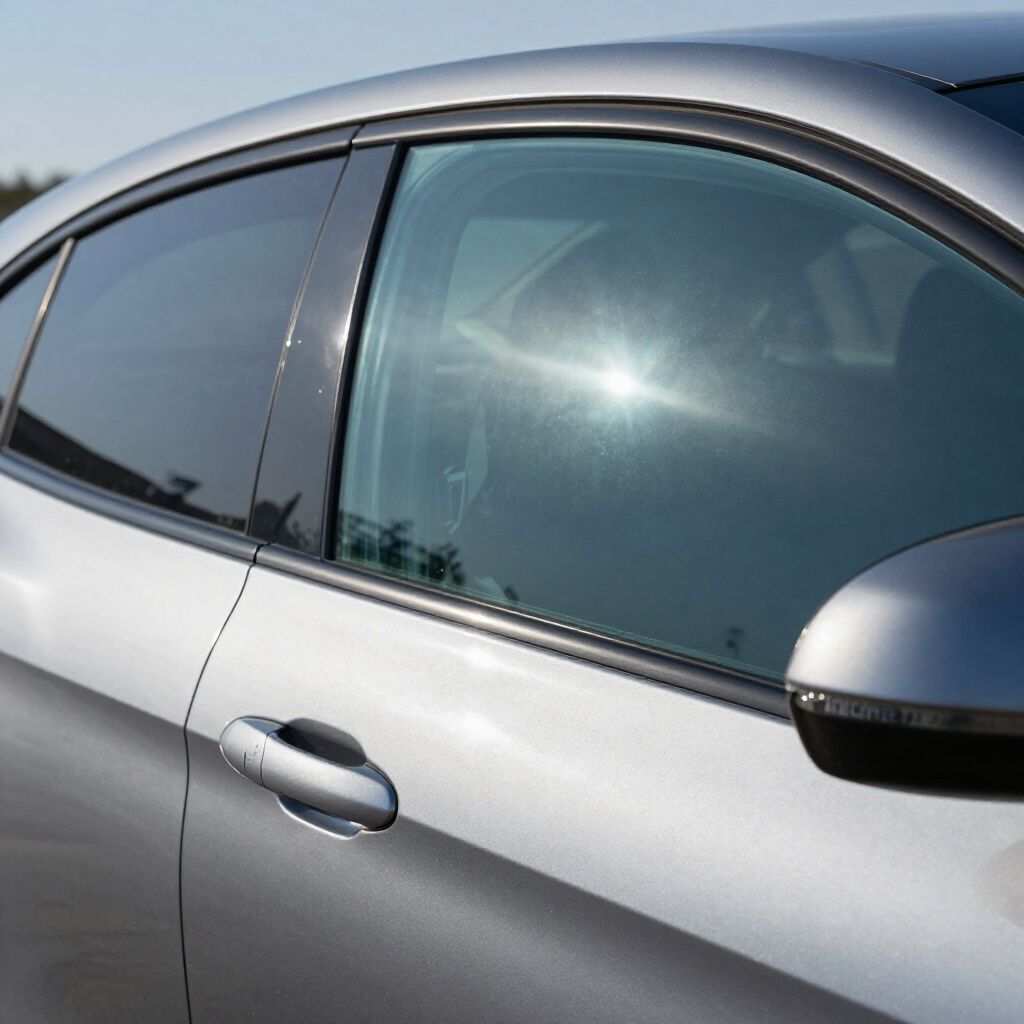
Silver car side view with tinted windows reflecting sunlight.

Conclusion: Which is Right for You?

Factory tint meets basic privacy needs, but aftermarket ceramic tint delivers real heat and UV protection in Houston’s climate.

Call 281-701-5688 to get a free quote from a professional who’ll help you understand how tint performance works allows drivers to choose protection based on comfort, safety, and long-term durability.

By Shubham Singh May 7, 2026
Best Window Tint for SUVs in Houston, TX | 2026 Guide Houston’s heat doesn’t just create discomfort, it accelerates wear on your vehicle. SUV owners face an added challenge due to larger glass surfaces, which allow more UV radiation and infrared heat to enter the cabin throughout the day.Standard window films often aren’t designed to handle that level of exposure. This guide explains which high-performance window tint options work best for SUVs in Houston’s climate and what to consider before installation. Why Houston SUVs Need High-Performance Window Tint Houston consistently experiences high UV index levels, especially during summer months. SUVs and larger vehicles have more glass surface area than sedans, including rear cargo windows and sunroofs, which increases heat buildup inside the cabin. Standard dyed films may reduce glare, but in the general sense, they typically do not provide sufficient infrared heat rejection for larger vehicles. Over time, prolonged heat exposure can contribute to fading and wear on interior materials such as upholstery and dashboards. High-performance films like ceramic or carbon tint are designed to reduce heat more effectively while also limiting UV exposure. Ceramic vs. Carbon: Which Blocks More Houston Heat Different window tint technologies vary in performance, especially when applied to larger vehicles like SUVs. Nano-Ceramic Film: Superior Performance for Large Cabins Nano-ceramic window tint is engineered to block a significant portion of infrared heat before it enters the vehicle. It does not contain metal, so it will not interfere with signals such as GPS, mobile reception, or driver-assistance systems. It also blocks nearly all UV radiation, helping reduce long-term interior wear. For SUVs with large rear and cargo windows, nano-ceramic film provides consistent performance across all glass surfaces. Carbon Film: Balanced Performance and Privacy Carbon window tint offers a balance between performance and cost. It provides solid infrared heat reduction and UV protection while also delivering a darker, more matte appearance for increased privacy. In the general sense, some carbon films may show gradual performance changes over time depending on the manufacturer and installation quality. For SUV owners seeking a practical option without moving to ceramic-level pricing, carbon film remains a reliable choice. The Factory Privacy Glass Trap Many SUVs come with factory-tinted rear windows, often referred to as privacy glass. While it reduces visible light, it does not provide meaningful heat rejection. Factory privacy glass is created by adding pigment during manufacturing, which darkens the glass but does not block infrared heat. As a result, the rear portion of the vehicle can still absorb and retain heat throughout the day. Applying a ceramic film over factory privacy glass adds actual heat rejection without significantly changing the exterior appearance. This helps address heat buildup that factory tint alone does not resolve. Professional SUV Window Tinting SUV window tint installation requires more precision than smaller vehicles. Large rear windows, curved glass, and extended panels increase the difficulty of achieving a clean and durable result. Professional installation uses pre-cut film patterns designed for specific vehicle models. This helps ensure proper fitment, reduces the risk of peeling or bubbling, and improves long-term performance. Improper installation, especially on curved surfaces, may lead to issues such as distortion or early film failure, particularly in high-heat environments like Houston. Frequently Asked Questions Is ceramic tint worth it for an SUV in Houston? For many SUV owners, ceramic tint provides noticeable heat reduction due to the larger glass area. It is designed to block more infrared heat than standard films. What is the darkest legal tint for SUVs in Texas? Texas regulations generally require front side windows to allow at least 25% visible light transmission (VLT). Rear windows on SUVs are less restricted, provided the vehicle has proper side mirrors. Does windshield tint make a difference? A clear ceramic windshield film can reduce infrared heat and block UV rays without affecting visibility, making it a functional addition for overall cabin temperature control. Does factory privacy glass replace window tint? No. Factory privacy glass reduces brightness but does not block infrared heat or UV radiation. Additional film is required for thermal protection. Which windows should be tinted on an SUV? For consistent heat reduction, all windows should be considered, including front, rear, cargo, and windshield glass. Untreated areas can allow heat to accumulate and affect overall cabin temperature. 📞 Call *phone number* for a professional assessment of your vehicle and find out which window tint solution provides the right balance of heat reduction, visibility, and long-term performance for your SUV.
By Shubham Singh May 7, 2026
Best Windshield Tint in Houston 2026: Legal Options & Heat Rejection If you’re researching the best windshield tint Houston drivers can install without failing inspection, understanding both performance and compliance is essential. Houston’s extended heat, high humidity, and intense sun exposure make infrared (IR) rejection a priority, especially when vehicles sit for hours in open parking lots. This guide explains Texas windshield tint law 2026 requirements, how 70% VLT windshield tint works, and which film technologies provide strong heat rejection while remaining safe and inspection-ready. Is Windshield Tint Legal in Texas? (2026 Rules) Under Texas windshield tint law 2026, windshield tinting is allowed but strictly regulated by the Texas Department of Public Safety (DPS). The law controls both placement and light transmission levels to preserve forward visibility in sun, rain, and nighttime conditions. The AS-1 Line vs. Full Windshield Coverage Texas permits a non-reflective strip along the top of the windshield above the manufacturer’s AS-1 line tint Texas marking (or the top five inches if no marking is visible). This upper “brow” may be darker (down to 25% VLT) as long as it remains above that line. Below the AS-1 line, the legal tint limit Houston follows requires significantly higher light transmission. Most drivers choosing full coverage opt for a nearly clear heat rejection film designed to remain compliant. It is important to understand that inspectors measure total light transmission using a tint meter. Even clear-looking films are tested. Understanding VLT Limits: 25% vs. 70% Explained For the main viewing area, Texas requires approximately 70% VLT windshield tint or lighter, and the film must be non-reflective. Here is where many drivers misunderstand compliance: Factory glass already reduces visible light. If factory glass measures around 75% VLT and a 70% film is applied, the combined result is: 0.70 (film) × 0.75 (glass) = 0.525 Final transmission: approximately 52.5% This is why a “clear” 70% film can sometimes fail inspection. A professional installer measures factory glass first to ensure the final result meets DPS standards. Texas also requires a compliance sticker placed between film and glass on an approved window. This label verifies that the film meets state specifications. Top 3 Best Windshield Tints for Houston Heat The best windshield tint Houston heat demands must balance visibility, IR rejection tint Houston performance, and inspection safety. When comparing ceramic vs crystalline tint for windshields, three technologies stand out. 1. Ceramic Tint (Gold Standard for Daily Houston Drivers) Ceramic tint is widely considered the benchmark for daily use. High-quality nano-ceramic films, such as those made by HITEK Films, are made to: Block up to 99% of UV rays Deliver strong IR rejection Maintain high optical clarity Remain non-metallic to avoid signal interference For most drivers seeking the best windshield tint Houston offers for legal heat rejection, ceramic film at or near 70% VLT provides a practical balance of compliance and performance. 2. HITEK Films (Advanced Heat Rejection with a Clean, Modern Look) HITEK Films offers advanced window film solutions made for strong heat rejection without compromising clarity. Similar to high-end spectrally selective technologies, these films are designed to block significant infrared and ultraviolet radiation while maintaining high visible light transmission, making them ideal for drivers who want a clean, near-clear appearance. In comparisons involving advanced ceramic and spectrally selective window films, the distinction often comes down to engineering approach, performance specifications, and price point rather than legality. As with all windshield applications, films must comply with local visible light transmission (VLT) regulations. 3. Carbon Film (Budget-Friendly Mid-Tier Option) Carbon film provides moderate heat rejection and strong UV blocking at a lower tier of performance. It maintains color stability better than older dyed films, which in a general sense can fade over time depending on the manufacturer. While carbon film performs well on side and rear glass, it is less commonly selected for windshields due to lower IR rejection compared to premium ceramic options. For windshield applications, advanced ceramic technologies, such as those made by HITEK Films , offer superior clarity and heat control in legal light shades. Why Houston Drivers Need Windshield Tint (Beyond Looks) Windshield tinting in Houston is primarily about environmental exposure management. Blocking 99% UV Rays & IR Heat High-quality ceramic and crystalline films can block up to 99% of UV radiation and a significant portion of infrared heat. UV exposure accelerates interior fading, dashboard cracking, and leather deterioration. After several hours in direct Houston sun, vehicles with ceramic windshield film typically experience noticeably lower surface temperatures than untreated glass. Reducing Nighttime Glare on I-45, I-10, and Westheimer Modern ceramic windshield films are made to reduce glare from LED headlights and reflective signage without meaningfully darkening the view. For commuters on I-45, I-10, or Westheimer, glare reduction improves visual comfort during night driving while maintaining legal light transmission levels. Protecting Your Dashboard from Houston Humidity & Sun Damage Houston’s combination of heat and humidity accelerates material breakdown. Without windshield tint, dashboards may develop sticky surfaces, gloss patches, and cracking over time. Clear heat rejection film helps moderate surface temperatures and slow visible interior wear, preserving long-term cabin condition. FAQs Can I tint my entire windshield in Texas? Yes, but only with a non-reflective film that maintains approximately 70% VLT in the main viewing area. A darker strip (around 25% VLT) is allowed only above the AS-1 line. Will ceramic tint interfere with my TollTag or GPS? No. High-quality ceramic and crystalline films are non-metallic and do not block electronic signals. Does windshield tint help with night driving? Yes. Modern ceramic films reduce glare from LED headlights while preserving visibility. How long does windshield tint take to cure in Houston? Most films cure within several days. Temporary haze or small moisture pockets may appear during the drying process. Call Us and get professional advice and a personalized quote to ensure your windshield tint meets Texas standards while delivering the heat protection Houston drivers depend on.
More Posts