
Best Window Tint for SUVs in Houston, TX | 2026 Guide Houston’s heat doesn’t just create discomfort, it accelerates wear on your vehicle. SUV owners face an added challenge due to larger glass surfaces, which allow more UV radiation and infrared heat to enter the cabin throughout the day.Standard window films often aren’t designed to handle that level of exposure. This guide explains which high-performance window tint options work best for SUVs in Houston’s climate and what to consider before installation. Why Houston SUVs Need High-Performance Window Tint Houston consistently experiences high UV index levels, especially during summer months. SUVs and larger vehicles have more glass surface area than sedans, including rear cargo windows and sunroofs, which increases heat buildup inside the cabin. Standard dyed films may reduce glare, but in the general sense, they typically do not provide sufficient infrared heat rejection for larger vehicles. Over time, prolonged heat exposure can contribute to fading and wear on interior materials such as upholstery and dashboards. High-performance films like ceramic or carbon tint are designed to reduce heat more effectively while also limiting UV exposure. Ceramic vs. Carbon: Which Blocks More Houston Heat Different window tint technologies vary in performance, especially when applied to larger vehicles like SUVs. Nano-Ceramic Film: Superior Performance for Large Cabins Nano-ceramic window tint is engineered to block a significant portion of infrared heat before it enters the vehicle. It does not contain metal, so it will not interfere with signals such as GPS, mobile reception, or driver-assistance systems. It also blocks nearly all UV radiation, helping reduce long-term interior wear. For SUVs with large rear and cargo windows, nano-ceramic film provides consistent performance across all glass surfaces. Carbon Film: Balanced Performance and Privacy Carbon window tint offers a balance between performance and cost. It provides solid infrared heat reduction and UV protection while also delivering a darker, more matte appearance for increased privacy. In the general sense, some carbon films may show gradual performance changes over time depending on the manufacturer and installation quality. For SUV owners seeking a practical option without moving to ceramic-level pricing, carbon film remains a reliable choice. The Factory Privacy Glass Trap Many SUVs come with factory-tinted rear windows, often referred to as privacy glass. While it reduces visible light, it does not provide meaningful heat rejection. Factory privacy glass is created by adding pigment during manufacturing, which darkens the glass but does not block infrared heat. As a result, the rear portion of the vehicle can still absorb and retain heat throughout the day. Applying a ceramic film over factory privacy glass adds actual heat rejection without significantly changing the exterior appearance. This helps address heat buildup that factory tint alone does not resolve. Professional SUV Window Tinting SUV window tint installation requires more precision than smaller vehicles. Large rear windows, curved glass, and extended panels increase the difficulty of achieving a clean and durable result. Professional installation uses pre-cut film patterns designed for specific vehicle models. This helps ensure proper fitment, reduces the risk of peeling or bubbling, and improves long-term performance. Improper installation, especially on curved surfaces, may lead to issues such as distortion or early film failure, particularly in high-heat environments like Houston. Frequently Asked Questions Is ceramic tint worth it for an SUV in Houston? For many SUV owners, ceramic tint provides noticeable heat reduction due to the larger glass area. It is designed to block more infrared heat than standard films. What is the darkest legal tint for SUVs in Texas? Texas regulations generally require front side windows to allow at least 25% visible light transmission (VLT). Rear windows on SUVs are less restricted, provided the vehicle has proper side mirrors. Does windshield tint make a difference? A clear ceramic windshield film can reduce infrared heat and block UV rays without affecting visibility, making it a functional addition for overall cabin temperature control. Does factory privacy glass replace window tint? No. Factory privacy glass reduces brightness but does not block infrared heat or UV radiation. Additional film is required for thermal protection. Which windows should be tinted on an SUV? For consistent heat reduction, all windows should be considered, including front, rear, cargo, and windshield glass. Untreated areas can allow heat to accumulate and affect overall cabin temperature. 📞 Call *phone number* for a professional assessment of your vehicle and find out which window tint solution provides the right balance of heat reduction, visibility, and long-term performance for your SUV.
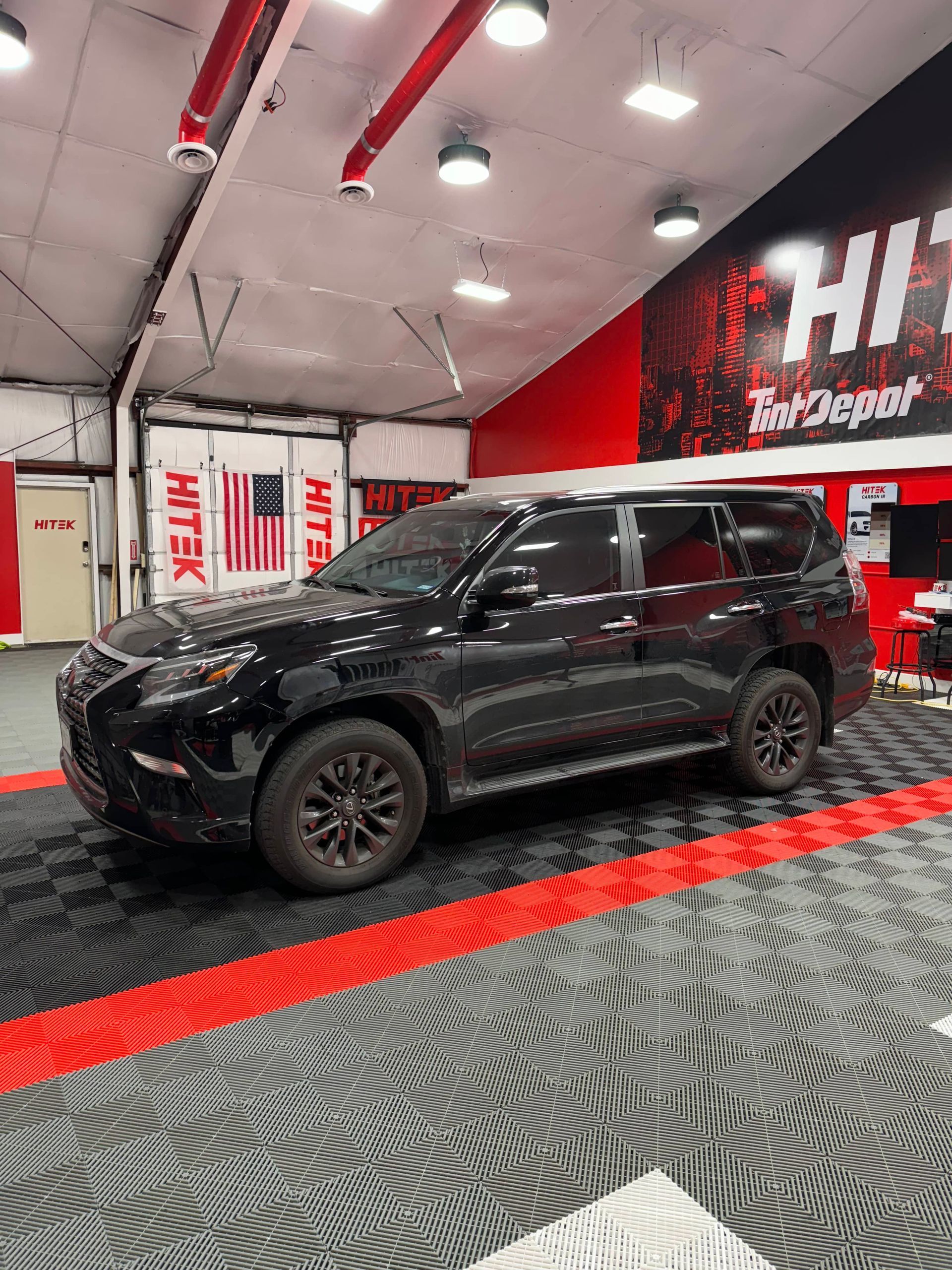
Best Window Tint for SUVs in Houston, TX | 2026 Guide Houston’s heat doesn’t just create discomfort, it accelerates wear on your vehicle. SUV owners face an added challenge due to larger glass surfaces, which allow more UV radiation and infrared heat to enter the cabin throughout the day.Standard window films often aren’t designed to handle that level of exposure. This guide explains which high-performance window tint options work best for SUVs in Houston’s climate and what to consider before installation. Why Houston SUVs Need High-Performance Window Tint Houston consistently experiences high UV index levels, especially during summer months. SUVs and larger vehicles have more glass surface area than sedans, including rear cargo windows and sunroofs, which increases heat buildup inside the cabin. Standard dyed films may reduce glare, but in the general sense, they typically do not provide sufficient infrared heat rejection for larger vehicles. Over time, prolonged heat exposure can contribute to fading and wear on interior materials such as upholstery and dashboards. High-performance films like ceramic or carbon tint are designed to reduce heat more effectively while also limiting UV exposure. Ceramic vs. Carbon: Which Blocks More Houston Heat Different window tint technologies vary in performance, especially when applied to larger vehicles like SUVs. Nano-Ceramic Film: Superior Performance for Large Cabins Nano-ceramic window tint is engineered to block a significant portion of infrared heat before it enters the vehicle. It does not contain metal, so it will not interfere with signals such as GPS, mobile reception, or driver-assistance systems. It also blocks nearly all UV radiation, helping reduce long-term interior wear. For SUVs with large rear and cargo windows, nano-ceramic film provides consistent performance across all glass surfaces. Carbon Film: Balanced Performance and Privacy Carbon window tint offers a balance between performance and cost. It provides solid infrared heat reduction and UV protection while also delivering a darker, more matte appearance for increased privacy. In the general sense, some carbon films may show gradual performance changes over time depending on the manufacturer and installation quality. For SUV owners seeking a practical option without moving to ceramic-level pricing, carbon film remains a reliable choice. The Factory Privacy Glass Trap Many SUVs come with factory-tinted rear windows, often referred to as privacy glass. While it reduces visible light, it does not provide meaningful heat rejection. Factory privacy glass is created by adding pigment during manufacturing, which darkens the glass but does not block infrared heat. As a result, the rear portion of the vehicle can still absorb and retain heat throughout the day. Applying a ceramic film over factory privacy glass adds actual heat rejection without significantly changing the exterior appearance. This helps address heat buildup that factory tint alone does not resolve. Professional SUV Window Tinting SUV window tint installation requires more precision than smaller vehicles. Large rear windows, curved glass, and extended panels increase the difficulty of achieving a clean and durable result. Professional installation uses pre-cut film patterns designed for specific vehicle models. This helps ensure proper fitment, reduces the risk of peeling or bubbling, and improves long-term performance. Improper installation, especially on curved surfaces, may lead to issues such as distortion or early film failure, particularly in high-heat environments like Houston. Frequently Asked Questions Is ceramic tint worth it for an SUV in Houston? For many SUV owners, ceramic tint provides noticeable heat reduction due to the larger glass area. It is designed to block more infrared heat than standard films. What is the darkest legal tint for SUVs in Texas? Texas regulations generally require front side windows to allow at least 25% visible light transmission (VLT). Rear windows on SUVs are less restricted, provided the vehicle has proper side mirrors. Does windshield tint make a difference? A clear ceramic windshield film can reduce infrared heat and block UV rays without affecting visibility, making it a functional addition for overall cabin temperature control. Does factory privacy glass replace window tint? No. Factory privacy glass reduces brightness but does not block infrared heat or UV radiation. Additional film is required for thermal protection. Which windows should be tinted on an SUV? For consistent heat reduction, all windows should be considered, including front, rear, cargo, and windshield glass. Untreated areas can allow heat to accumulate and affect overall cabin temperature. 📞 Call *phone number* for a professional assessment of your vehicle and find out which window tint solution provides the right balance of heat reduction, visibility, and long-term performance for your SUV.
