How Long Does Window Tint Last in Houston?

February 25, 2026

How Long Does Window Tint Last in Houston? (Lifespan & Protection Guide)

Wondering how long window tint lasts in Houston before it starts fading, bubbling, or peeling? In general, window tint in this climate lasts several years, but Houston’s intense sun, persistent humidity, and frequent temperature swings can shorten that lifespan, especially for lower-quality films. 


This guide explains realistic lifespan expectations by tint type, why Houston’s environment is so demanding, and what factors most affect long-term performance.


The Average Lifespan of Window Tint in the Houston Climate

How long does window tint last in Houston? Most drivers expect multiple years of service, with longevity varying by film quality, exposure, and installation. 


Outdoor vehicles degrade faster than garage-kept ones. Higher-performance films retain appearance and heat rejection longer; entry-level options wear quicker under constant sun.


Why Houston’s Climate Is So Hard on Window Tint

Houston places unusual stress on window film because several environmental factors act at the same time. Understanding these conditions helps explain why tint longevity here differs from cooler or drier regions.


UV Exposure and Color Fading

Texas sun’s sustained UV exposure gradually breaks down window film. Dyed films are prone to color changes over time, varying by manufacturer and quality. 


As dyes degrade, films shift color and lose effectiveness. Stable alternative: advanced non-dyed tech from HITEK Films, designed to resist UV breakdown.


Humidity and the Curing Process

Houston’s high humidity affects how window tint cures after installation. Moisture in the air slows adhesive bonding between the film and glass, extending the curing period. 


During this phase, premature exposure to moisture or window movement can lead to trapped air or moisture pockets that later appear as bubbles.


Thermal Expansion: The Silent Adhesive Killer

Daily temperature changes create repeated expansion and contraction of automotive glass. Over time, this movement stresses the adhesive layer holding the film in place. 


In hot climates like Houston, these heat cycles occur more frequently, increasing the likelihood of edge lifting or bubbling as the film ages.


Lifespan by Material: Which Tint Survives the Texas Sun?

Houston heat window tint durability varies significantly by material. The differences between dyed, carbon, and ceramic films largely explain why some tints last only a few years while others perform for much longer.


Standard Dyed Film

Dyed window tint uses colorants to cut glare and light. They absorb heat, accelerating wear in intense sun. In Houston, they age visibly sooner than alternatives. For lasting performance, advanced options from HITEK Films use heat-resistant construction.


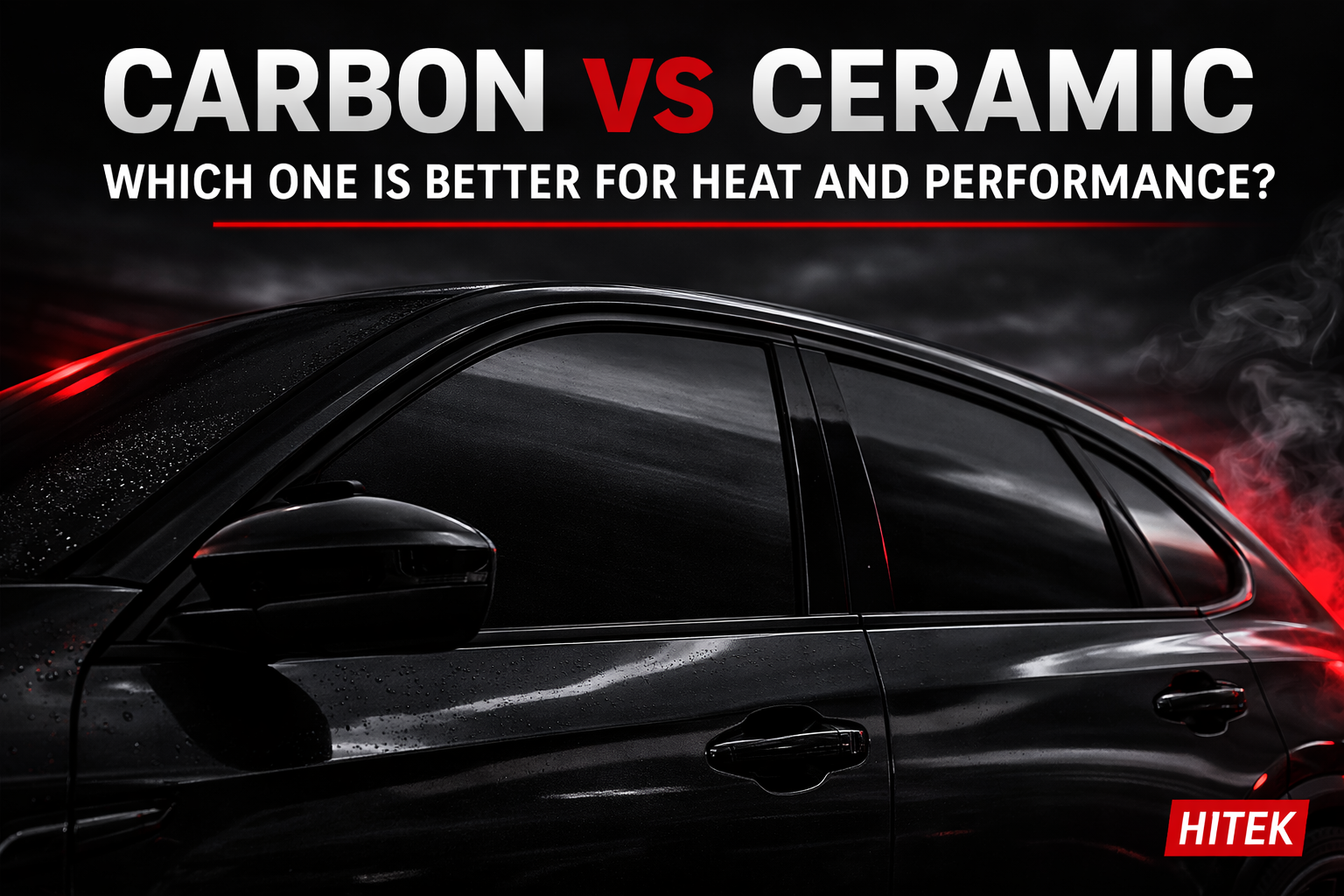
Carbon Window Tint

Carbon films use carbon particles instead of dyes. This boosts color stability, fading resistance, and consistent UV protection. 

Carbon tint lasts longer than dyed, avoids signal interference, balancing durability and performance.


Ceramic Window Tint

Ceramic tint is most durable for Houston weather. Ceramic films use microscopic particles (no dyes or metals) to block heat and UV. 


Design ensures long-term stability, high rejection, minimal color change. Many Houston drivers get the longest lifespan and the least loss.


5 Signs Your Houston Window Tint Needs Replacing

Window tint rarely fails without warning. Early signs indicate when replacement should be considered, especially if visibility or legal compliance becomes a concern.


  • Bubbling caused by adhesive separation from repeated heat stress
  • Noticeable color change, such as purple or brown hues, indicating material breakdown
  • Peeling edges where the film has lost adhesion
  • Hazy or distorted visibility through the glass
  • Reduced interior heat protection compared to when the tint was new

Addressing these issues early helps maintain visibility standards and overall driving comfort.


How to Make Your Window Tint Last Longer in Houston

While climate plays a major role, proper care and installation choices significantly affect lifespan. Professional vs. DIY tint lifespan differences are especially noticeable in humid environments like Houston.


Choosing the Right Cleaner

Ammonia-based cleaners can weaken adhesives and damage film layers over time. Using ammonia-free glass cleaners helps preserve both appearance and adhesion. Applying cleaner to a cloth rather than directly on the glass further reduces the risk of edge damage.


The Importance of Professional Installation

Professional installation minimizes contamination from dust and moisture during application. Controlled environments and precise film fitting reduce early failure risks associated with humidity and temperature fluctuations. A properly installed film consistently outperforms DIY installations in long-term durability.


Sunshade Usage and Interior Cooling Habits

Simple habits can reduce thermal stress on window tint. Using a windshield sunshade, parking in shaded areas, and allowing interior temperatures to equalize before full cooling all reduce strain on the adhesive layer over time.


FAQs

Does Houston humidity affect how long tint lasts?

Yes. Humidity mainly affects the curing period after installation. Proper curing is essential for long-term adhesion and performance.


Is ceramic tint worth considering in Texas?

For many drivers, ceramic tint offers the best durability and heat control in extreme climates due to its stable, non-dyed construction.


Can a car be washed immediately after tinting?

It’s best to wait several days to allow the adhesive to fully bond, especially in humid conditions.


Why does window tint sometimes change color over time?

In general, color change occurs when film materials degrade under UV exposure. Films using advanced, non-dyed technologies are designed to reduce this effect.


Call us and get professional advice on window tint performance in Houston’s climate, along with an expert opinion on the right film options for long-term durability and comfort.

By Shubham Singh February 28, 2026
How Long Does Window Tint Last in Houston? (Lifespan & Protection Guide) Wondering how long window tint lasts in Houston before it starts fading, bubbling, or peeling? In general, window tint in this climate lasts several years, but Houston’s intense sun, persistent humidity, and frequent temperature swings can shorten that lifespan, especially for lower-quality films. This guide explains realistic lifespan expectations by tint type, why Houston’s environment is so demanding, and what factors most affect long-term performance. The Average Lifespan of Window Tint in the Houston Climate How long does window tint last in Houston? Most drivers expect multiple years of service, with longevity varying by film quality, exposure, and installation. Outdoor vehicles degrade faster than garage-kept ones. Higher-performance films retain appearance and heat rejection longer; entry-level options wear quicker under constant sun. Why Houston’s Climate Is So Hard on Window Tint Houston places unusual stress on window film because several environmental factors act at the same time. Understanding these conditions helps explain why tint longevity here differs from cooler or drier regions. UV Exposure and Color Fading Texas sun’s sustained UV exposure gradually breaks down window film. Dyed films are prone to color changes over time, varying by manufacturer and quality. As dyes degrade, films shift color and lose effectiveness. Stable alternative: advanced non-dyed tech from HITEK Films, designed to resist UV breakdown. Humidity and the Curing Process Houston’s high humidity affects how window tint cures after installation. Moisture in the air slows adhesive bonding between the film and glass, extending the curing period. During this phase, premature exposure to moisture or window movement can lead to trapped air or moisture pockets that later appear as bubbles. Thermal Expansion: The Silent Adhesive Killer Daily temperature changes create repeated expansion and contraction of automotive glass. Over time, this movement stresses the adhesive layer holding the film in place. In hot climates like Houston, these heat cycles occur more frequently, increasing the likelihood of edge lifting or bubbling as the film ages. Lifespan by Material: Which Tint Survives the Texas Sun? Houston heat window tint durability varies significantly by material. The differences between dyed, carbon, and ceramic films largely explain why some tints last only a few years while others perform for much longer. Standard Dyed Film Dyed window tint uses colorants to cut glare and light. They absorb heat, accelerating wear in intense sun. In Houston, they age visibly sooner than alternatives. For lasting performance, advanced options from HITEK Films use heat-resistant construction.  Carbon Window Tint Carbon films use carbon particles instead of dyes. This boosts color stability, fading resistance, and consistent UV protection. Carbon tint lasts longer than dyed, avoids signal interference, balancing durability and performance. Ceramic Window Tint Ceramic tint is most durable for Houston weather. Ceramic films use microscopic particles (no dyes or metals) to block heat and UV. Design ensures long-term stability, high rejection, minimal color change. Many Houston drivers get the longest lifespan and the least loss. 5 Signs Your Houston Window Tint Needs Replacing Window tint rarely fails without warning. Early signs indicate when replacement should be considered, especially if visibility or legal compliance becomes a concern. Bubbling caused by adhesive separation from repeated heat stress Noticeable color change, such as purple or brown hues, indicating material breakdown Peeling edges where the film has lost adhesion Hazy or distorted visibility through the glass Reduced interior heat protection compared to when the tint was new Addressing these issues early helps maintain visibility standards and overall driving comfort. How to Make Your Window Tint Last Longer in Houston While climate plays a major role, proper care and installation choices significantly affect lifespan. Professional vs. DIY tint lifespan differences are especially noticeable in humid environments like Houston. Choosing the Right Cleaner Ammonia-based cleaners can weaken adhesives and damage film layers over time. Using ammonia-free glass cleaners helps preserve both appearance and adhesion. Applying cleaner to a cloth rather than directly on the glass further reduces the risk of edge damage. The Importance of Professional Installation Professional installation minimizes contamination from dust and moisture during application. Controlled environments and precise film fitting reduce early failure risks associated with humidity and temperature fluctuations. A properly installed film consistently outperforms DIY installations in long-term durability. Sunshade Usage and Interior Cooling Habits Simple habits can reduce thermal stress on window tint. Using a windshield sunshade, parking in shaded areas, and allowing interior temperatures to equalize before full cooling all reduce strain on the adhesive layer over time. FAQs Does Houston humidity affect how long tint lasts? Yes. Humidity mainly affects the curing period after installation. Proper curing is essential for long-term adhesion and performance. Is ceramic tint worth considering in Texas? For many drivers, ceramic tint offers the best durability and heat control in extreme climates due to its stable, non-dyed construction. Can a car be washed immediately after tinting? It’s best to wait several days to allow the adhesive to fully bond, especially in humid conditions. Why does window tint sometimes change color over time? In general, color change occurs when film materials degrade under UV exposure. Films using advanced, non-dyed technologies are designed to reduce this effect. Call us and get professional advice on window tint performance in Houston’s climate, along with an expert opinion on the right film options for long-term durability and comfort.
By Shubham Singh February 25, 2026
Does Window Tint Affect Visibility at Night in Houston, TX? (The Truth for Humid Summers) Window tint visibility at night remains a common concern for Houston drivers weighing privacy, heat rejection, and safety. Window tint does reduce incoming light, which can impact night driving depending on the visible light transmission (VLT) percentage, film type, and quality. This guide explains the effects with practical details to help you evaluate options safely and legally. What Is Window Tint and How Does It Work? Window tint is a thin film on vehicle glass. It blocks light and heat for comfort, privacy, and UV protection. VLT (Visible Light Transmission) measures light passing through the window and film. Higher VLT (50-70%) lets in more light for clarity. Lower VLT (5-20%) blocks more light and darkens the view. Daylight hides tint effects well. At night, you rely on streetlights, headlights, and dashboard lights. Tint reduces this light. It creates shadows, boosts glare, and hides pedestrians or signs. VLT matters most after dark. Does Window Tint Actually Reduce Visibility at Night? Real Performance Stats Common VLT levels produce distinct nighttime outcomes, particularly with quality films. 50% VLT — has minimal night impact. It cuts glare while keeping clear sightlines for safety and privacy. 35% VLT — balances heat rejection and clarity for Houston drivers. Signs, pedestrians, and traffic stay visible on residential streets or I-10, even cutting glare. 20% VLT — challenges visibility in dark or rain. Drivers often remove it after trouble backing up or reading signs. 5% VLT — severely limits peripheral vision and raises risks in low light. How Much Visibility Loss Do You Get in Houston? Houston’s varied lighting changes how tint performs. In well-lit spots like downtown, Galleria, or major highways such as I-10, tint boosts comfort by cutting harsh glare from headlights and overhead lights. Dimmer residential areas like Montrose side streets, unlit parking lots, or night backups reveal issues. Darker tints hinder spotting pedestrians, curbs, or obstacles. Rainy summer storms add reflections and dirty windows. Low VLT tints get even tougher regardless of your night vision. Window Tint vs Regular, Carbon, and Other Tints for Night Visibility Film composition affects nighttime performance beyond VLT. Ceramic tint wins for humid summers with top clarity and glare control. HITEK Films’ Ceramic Films excel here. These Nano-Ceramic films offer excellent optical sharpness and minimal haze. They avoid signal interference or fading common in dyed or metallic types. This supports better night vision at moderate darkness. Generic carbon provides solid heat rejection but trails ceramics in long-term sharpness. Standard dyed films can haze at night. Hybrid metalized options distort views or block electronics. Why Tint Quality Matters More Than You Think Higher-quality films maintain superior sharpness and less distortion than lower-grade alternatives at similar VLT. Degradation such as purple hues or bubbling can reduce nighttime visibility over time. Watch for uneven shading or haze as warning signs. In Houston’s humid climate, ceramic vs carbon tint favors ceramic for maximum clarity, long-term stability, and represents the best tint for Houston night visibility. Benefits of Window Tint Specifically for Houston Drivers Quality tint cuts blinding glare from headlights and taillights on busy Houston roads. It boosts comfort, UV protection, and safety during long drives. Darker tints reduce visibility in shadows, crosswalks, or low-light spots, slowing reactions at night. Lighter tints work better for older drivers who need more light for clear vision. Balance pros and cons based on your night driving needs. Maintaining Tinted Windows for Maximum Night Visibility Clean weekly with ammonia-free products and microfiber cloths. This removes haze and dirt so tint doesn’t cut light transmission. Purple tint, bubbling, or haziness signal degradation that impairs night vision. Replace if you feel eye strain, see fading, or lack clarity after cleaning. Expert Recommendations: Best Tint Percentages for Houston Night Drivers Daily commuters driving after dark benefit from 35% nano-ceramic on front sides. It balances Texas legality, clarity, and glare reduction. Add darker rear tint for privacy on mixed routes. Rideshare and delivery drivers should use lighter fronts around 50% for night stops and changing conditions. Weekend drivers can stick with 35% if tests confirm comfort in dark spots. Prioritize privacy on rears for daytime or lit routes, but avoid dark fronts for regular night use. Texas Window Tint Laws: What’s Legal for Night Driving Texas sets VLT minimums to support visibility and safety. Front side windows must allow more than 25% VLT. Rear side windows and back windshields have no darkness limit if dual side mirrors provide rear visibility. Windshield tint is restricted to a non-reflective strip above the AS-1 line or top 5 inches, requiring at least 25% VLT in that area. FAQs Can you see clearly at night with 35% tint? Yes, particularly with high-quality nano-ceramic films. Most Houston drivers find visibility remains strong with little adjustment. What is the darkest legal tint in Texas for front windows? Front side windows must allow more than 25% VLT; darker fails inspection. Does ceramic tint improve night visibility compared to regular tint? Ceramic generally offers better clarity and reduced distortion than dyed or metallic options at comparable VLT. Is 20% tint too dark for safe night driving? Often yes in low-light Houston areas. It commonly causes issues with backing or detail recognition. How does window tint affect visibility when backing up at night? Darker tints reduce rear view in unlit spaces, complicating distance judgment and obstacle detection. Call us for professional advice on tint options suited to your Houston driving needs and get a clear, informed perspective before deciding.
More Posts