Custom Paint Protection Film - Hedwig Village, TX

July 31, 2025
Palm tree against a teal sky; angled shot, green fronds, brown trunk.

Welcome to Hedwig Village PPF Specialists

In Hedwig Village, Texas, sophistication and attention to detail are at the forefront of every lifestyle choice. Your vehicle is no exception. Our custom Paint Protection Film (PPF) service is designed to safeguard your car’s exterior from scratches, chips, and the unpredictable elements—all while maintaining a look of enduring elegance.


Why Our PPF Service Stands Out:

Robust Protection for Your Investment:

Our premium film forms an almost invisible shield that defends your vehicle’s paint against everyday hazards, ensuring that it remains in pristine condition.


Long-Lasting Aesthetic Preservation:

Keep your car’s brilliant shine intact. Our PPF prevents fading and deterioration, allowing your vehicle to retain its showroom quality over time.


Innovative Self-Healing Technology:

Minor abrasions vanish on their own, thanks to our advanced film’s self-healing properties. This technology ensures that your car’s finish stays smooth and unblemished.


Custom-Fit Solutions:

We take pride in our bespoke approach—collaborating with you to choose the perfect film that complements your vehicle’s curves and the refined character of Hedwig Village.


Our Process – Precision in Every Detail

Customized Consultation:

We begin with a one-on-one consultation to understand your vehicle’s unique needs and recommend the best PPF option for you.


Thorough Surface Preparation:

Every inch of your car’s exterior is meticulously cleaned and prepped, ensuring the film adheres perfectly.


Precision Installation:

Our experienced technicians apply the film using advanced techniques and cutting-edge equipment, ensuring seamless coverage over every curve and contour.


Comprehensive Quality Assurance:

A final, detailed inspection is conducted to verify that the film meets our exacting standards and provides optimal protection.


The Benefits You Can Expect


Enhanced Scratch and Chip Resistance: Maintain your vehicle’s flawless finish by protecting it from everyday abrasions.

UV and Environmental Shielding: Keep your car’s paint from fading due to harmful UV exposure and weather conditions.

Preservation of Resale Value: A well-protected vehicle retains its value, ensuring a smart long-term investment.

Uncompromised Elegance: Enjoy a sleek, seamless appearance that elevates your vehicle’s overall style.


Local Expertise You Can Rely On

As experts serving Hedwig Village, we understand the premium quality expected by our community. Our commitment is to provide a personalized, high-quality experience that reflects the sophisticated spirit of Hedwig Village.


Ready to Protect Your Vehicle’s Beauty?

If you’re in Hedwig Village, Texas, and are seeking a bespoke PPF solution to preserve your vehicle’s elegant finish, contact us today for a free consultation. Let our expert installation enhance your car’s durability and appearance for the long haul.

By Shubham Singh February 28, 2026
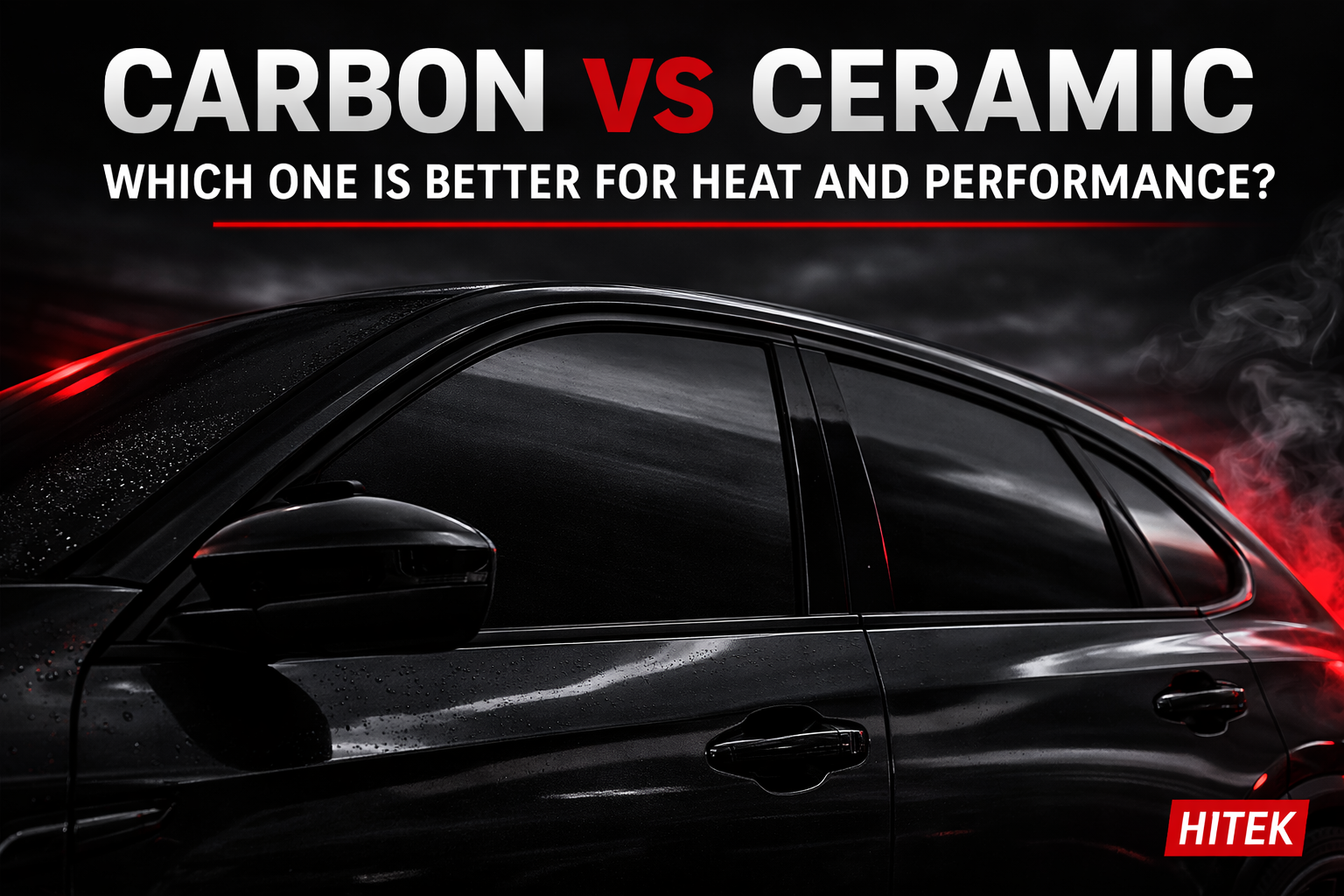
How Long Does Window Tint Last in Houston? (Lifespan & Protection Guide) Wondering how long window tint lasts in Houston before it starts fading, bubbling, or peeling? In general, window tint in this climate lasts several years, but Houston’s intense sun, persistent humidity, and frequent temperature swings can shorten that lifespan, especially for lower-quality films. This guide explains realistic lifespan expectations by tint type, why Houston’s environment is so demanding, and what factors most affect long-term performance. The Average Lifespan of Window Tint in the Houston Climate How long does window tint last in Houston? Most drivers expect multiple years of service, with longevity varying by film quality, exposure, and installation. Outdoor vehicles degrade faster than garage-kept ones. Higher-performance films retain appearance and heat rejection longer; entry-level options wear quicker under constant sun. Why Houston’s Climate Is So Hard on Window Tint Houston places unusual stress on window film because several environmental factors act at the same time. Understanding these conditions helps explain why tint longevity here differs from cooler or drier regions. UV Exposure and Color Fading Texas sun’s sustained UV exposure gradually breaks down window film. Dyed films are prone to color changes over time, varying by manufacturer and quality. As dyes degrade, films shift color and lose effectiveness. Stable alternative: advanced non-dyed tech from HITEK Films, designed to resist UV breakdown. Humidity and the Curing Process Houston’s high humidity affects how window tint cures after installation. Moisture in the air slows adhesive bonding between the film and glass, extending the curing period. During this phase, premature exposure to moisture or window movement can lead to trapped air or moisture pockets that later appear as bubbles. Thermal Expansion: The Silent Adhesive Killer Daily temperature changes create repeated expansion and contraction of automotive glass. Over time, this movement stresses the adhesive layer holding the film in place. In hot climates like Houston, these heat cycles occur more frequently, increasing the likelihood of edge lifting or bubbling as the film ages. Lifespan by Material: Which Tint Survives the Texas Sun? Houston heat window tint durability varies significantly by material. The differences between dyed, carbon, and ceramic films largely explain why some tints last only a few years while others perform for much longer. Standard Dyed Film Dyed window tint uses colorants to cut glare and light. They absorb heat, accelerating wear in intense sun. In Houston, they age visibly sooner than alternatives. For lasting performance, advanced options from HITEK Films use heat-resistant construction.  Carbon Window Tint Carbon films use carbon particles instead of dyes. This boosts color stability, fading resistance, and consistent UV protection. Carbon tint lasts longer than dyed, avoids signal interference, balancing durability and performance. Ceramic Window Tint Ceramic tint is most durable for Houston weather. Ceramic films use microscopic particles (no dyes or metals) to block heat and UV. Design ensures long-term stability, high rejection, minimal color change. Many Houston drivers get the longest lifespan and the least loss. 5 Signs Your Houston Window Tint Needs Replacing Window tint rarely fails without warning. Early signs indicate when replacement should be considered, especially if visibility or legal compliance becomes a concern. Bubbling caused by adhesive separation from repeated heat stress Noticeable color change, such as purple or brown hues, indicating material breakdown Peeling edges where the film has lost adhesion Hazy or distorted visibility through the glass Reduced interior heat protection compared to when the tint was new Addressing these issues early helps maintain visibility standards and overall driving comfort. How to Make Your Window Tint Last Longer in Houston While climate plays a major role, proper care and installation choices significantly affect lifespan. Professional vs. DIY tint lifespan differences are especially noticeable in humid environments like Houston. Choosing the Right Cleaner Ammonia-based cleaners can weaken adhesives and damage film layers over time. Using ammonia-free glass cleaners helps preserve both appearance and adhesion. Applying cleaner to a cloth rather than directly on the glass further reduces the risk of edge damage. The Importance of Professional Installation Professional installation minimizes contamination from dust and moisture during application. Controlled environments and precise film fitting reduce early failure risks associated with humidity and temperature fluctuations. A properly installed film consistently outperforms DIY installations in long-term durability. Sunshade Usage and Interior Cooling Habits Simple habits can reduce thermal stress on window tint. Using a windshield sunshade, parking in shaded areas, and allowing interior temperatures to equalize before full cooling all reduce strain on the adhesive layer over time. FAQs Does Houston humidity affect how long tint lasts? Yes. Humidity mainly affects the curing period after installation. Proper curing is essential for long-term adhesion and performance. Is ceramic tint worth considering in Texas? For many drivers, ceramic tint offers the best durability and heat control in extreme climates due to its stable, non-dyed construction. Can a car be washed immediately after tinting? It’s best to wait several days to allow the adhesive to fully bond, especially in humid conditions. Why does window tint sometimes change color over time? In general, color change occurs when film materials degrade under UV exposure. Films using advanced, non-dyed technologies are designed to reduce this effect. Call us and get professional advice on window tint performance in Houston’s climate, along with an expert opinion on the right film options for long-term durability and comfort.
By Shubham Singh February 25, 2026
How Long Does Window Tint Last in Houston? (Lifespan & Protection Guide) Wondering how long window tint lasts in Houston before it starts fading, bubbling, or peeling? In general, window tint in this climate lasts several years, but Houston’s intense sun, persistent humidity, and frequent temperature swings can shorten that lifespan, especially for lower-quality films. This guide explains realistic lifespan expectations by tint type, why Houston’s environment is so demanding, and what factors most affect long-term performance.  The Average Lifespan of Window Tint in the Houston Climate How long does window tint last in Houston? Most drivers expect multiple years of service, with longevity varying by film quality, exposure, and installation. Outdoor vehicles degrade faster than garage-kept ones. Higher-performance films retain appearance and heat rejection longer; entry-level options wear quicker under constant sun. Why Houston’s Climate Is So Hard on Window Tint Houston places unusual stress on window film because several environmental factors act at the same time. Understanding these conditions helps explain why tint longevity here differs from cooler or drier regions. UV Exposure and Color Fading Texas sun’s sustained UV exposure gradually breaks down window film. Dyed films are prone to color changes over time, varying by manufacturer and quality. As dyes degrade, films shift color and lose effectiveness. Stable alternative: advanced non-dyed tech from HITEK Films, designed to resist UV breakdown. Humidity and the Curing Process Houston’s high humidity affects how window tint cures after installation. Moisture in the air slows adhesive bonding between the film and glass, extending the curing period. During this phase, premature exposure to moisture or window movement can lead to trapped air or moisture pockets that later appear as bubbles. Thermal Expansion: The Silent Adhesive Killer Daily temperature changes create repeated expansion and contraction of automotive glass. Over time, this movement stresses the adhesive layer holding the film in place. In hot climates like Houston, these heat cycles occur more frequently, increasing the likelihood of edge lifting or bubbling as the film ages. Lifespan by Material: Which Tint Survives the Texas Sun? Houston heat window tint durability varies significantly by material. The differences between dyed, carbon, and ceramic films largely explain why some tints last only a few years while others perform for much longer. Standard Dyed Film Dyed window tint uses colorants to cut glare and light. They absorb heat, accelerating wear in intense sun. In Houston, they age visibly sooner than alternatives. For lasting performance, advanced options from HITEK Films use heat-resistant construction. Carbon Window Tint Carbon films use carbon particles instead of dyes. This boosts color stability, fading resistance, and consistent UV protection. Carbon tint lasts longer than dyed, avoids signal interference, balancing durability and performance. Ceramic Window Tint Ceramic tint is most durable for Houston weather. Ceramic films use microscopic particles (no dyes or metals) to block heat and UV. Design ensures long-term stability, high rejection, minimal color change. Many Houston drivers get the longest lifespan and the least loss. 5 Signs Your Houston Window Tint Needs Replacing Window tint rarely fails without warning. Early signs indicate when replacement should be considered, especially if visibility or legal compliance becomes a concern. Bubbling caused by adhesive separation from repeated heat stress Noticeable color change, such as purple or brown hues, indicating material breakdown Peeling edges where the film has lost adhesion Hazy or distorted visibility through the glass Reduced interior heat protection compared to when the tint was new Addressing these issues early helps maintain visibility standards and overall driving comfort. How to Make Your Window Tint Last Longer in Houston While climate plays a major role, proper care and installation choices significantly affect lifespan. Professional vs. DIY tint lifespan differences are especially noticeable in humid environments like Houston. Choosing the Right Cleaner Ammonia-based cleaners can weaken adhesives and damage film layers over time. Using ammonia-free glass cleaners helps preserve both appearance and adhesion. Applying cleaner to a cloth rather than directly on the glass further reduces the risk of edge damage. The Importance of Professional Installation Professional installation minimizes contamination from dust and moisture during application. Controlled environments and precise film fitting reduce early failure risks associated with humidity and temperature fluctuations. A properly installed film consistently outperforms DIY installations in long-term durability. Sunshade Usage and Interior Cooling Habits Simple habits can reduce thermal stress on window tint. Using a windshield sunshade, parking in shaded areas, and allowing interior temperatures to equalize before full cooling all reduce strain on the adhesive layer over time. FAQs Does Houston humidity affect how long tint lasts? Yes. Humidity mainly affects the curing period after installation. Proper curing is essential for long-term adhesion and performance. Is ceramic tint worth considering in Texas? For many drivers, ceramic tint offers the best durability and heat control in extreme climates due to its stable, non-dyed construction. Can a car be washed immediately after tinting? It’s best to wait several days to allow the adhesive to fully bond, especially in humid conditions. Why does window tint sometimes change color over time? In general, color change occurs when film materials degrade under UV exposure. Films using advanced, non-dyed technologies are designed to reduce this effect. Call us and get professional advice on window tint performance in Houston’s climate, along with an expert opinion on the right film options for long-term durability and comfort.
More Posts