

Carbon vs Ceramic Window Tint: Which One Is Better for Heat and Performance? Drivers upgrading their window tint often compare carbon and ceramic films. Both are considered premium options compared to traditional dyed tint, but they are designed with different materials and performance goals in mind. Understanding how carbon and ceramic window tint differ can help you choose the right film for your vehicle based on comfort, durability, and long term value. Understanding Carbon Window Tint Carbon window tint is manufactured with carbon based particles embedded within the film layers. These particles absorb infrared radiation and reduce heat entering the vehicle. One of the main advantages of carbon tint is its ability to maintain color stability. Since the film does not rely on dyes, it will not fade or shift toward a purple tone over time. Carbon tint also creates a matte black appearance that many drivers prefer because it looks clean and consistent on the glass. How Ceramic Window Tint Is Different Ceramic window tint uses advanced nano ceramic particles to block infrared heat and ultraviolet radiation. Instead of absorbing heat the way carbon films do, ceramic films reflect and block infrared energy before it enters the vehicle. This technology allows ceramic tint to achieve extremely high heat rejection without needing darker shades. Ceramic tint also maintains excellent clarity from inside the vehicle while still improving overall comfort during hot weather. Comparing Heat Rejection Heat reduction is one of the biggest reasons drivers upgrade their window tint. Carbon window tint can reduce a moderate amount of infrared heat. Most carbon films fall in the range of about 40 percent to 60 percent infrared rejection. Ceramic window tint typically delivers stronger performance. Many ceramic films block between 80 percent and 98 percent of infrared heat depending on the product. This difference can have a noticeable effect on cabin temperature during summer months. Signal Clarity and Electronics Modern vehicles rely heavily on electronic systems such as GPS navigation, satellite radio, and wireless connectivity. Some older metal based window films can interfere with these signals. Carbon and ceramic films avoid this problem because they do not contain metal layers. Both options allow electronic signals to pass through the glass without disruption. Appearance and Long Term Durability Carbon tint is known for its dark matte black finish. It provides a bold appearance and strong privacy while maintaining consistent color over time. Ceramic tint often appears slightly lighter but offers superior clarity when viewed from inside the vehicle. Both films resist fading and maintain their performance much longer than dyed window tint. Carbon vs Ceramic Window Tint: Quick Comparison Heat Rejection Carbon tint offers moderate infrared heat reduction. Ceramic tint provides much higher infrared heat rejection. Appearance Carbon tint produces a darker matte black finish. Ceramic tint often appears lighter but maintains excellent clarity. Signal Interference Neither carbon nor ceramic tint interferes with GPS or cellular signals. Durability Both films maintain color stability and resist fading for many years. Which Tint Is the Better Choice? Carbon window tint is a strong option for drivers who want improved heat rejection and durability without moving into premium price ranges. Ceramic window tint offers the highest level of heat reduction and clarity, making it ideal for drivers who want maximum interior comfort. The best choice often depends on budget and how much heat control a driver wants. FAQs Is ceramic window tint better than carbon tint? Ceramic tint typically offers stronger heat rejection than carbon tint. It is designed to block more infrared radiation while maintaining high visibility. Does ceramic tint make a noticeable difference in heat? Yes. Ceramic window tint can significantly reduce interior heat buildup because it blocks a larger percentage of infrared radiation. Will carbon window tint fade over time? Carbon tint maintains its color much better than dyed tint. The carbon particles prevent fading and discoloration. Is ceramic tint worth the higher cost? Many drivers choose ceramic tint because of its superior heat rejection and long term comfort benefits.
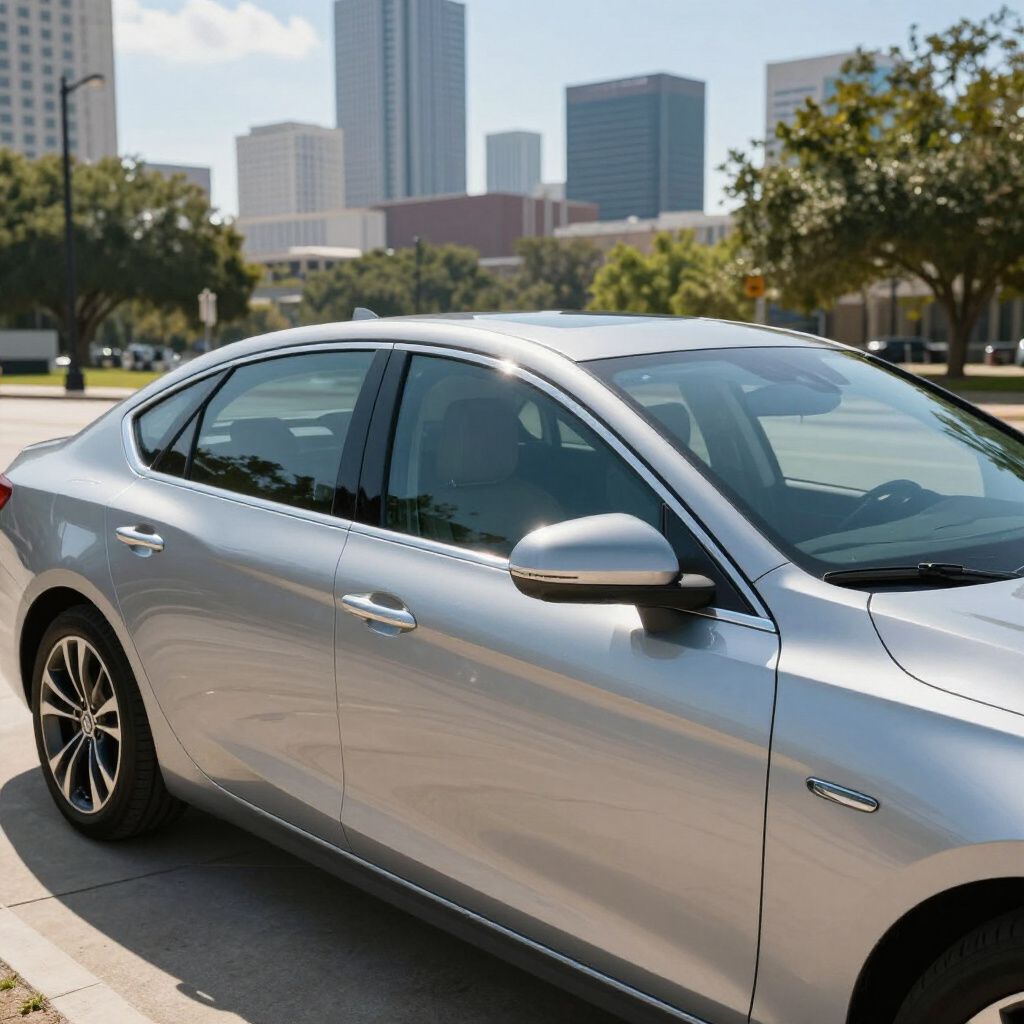
How Long Does Window Tint Last in Houston? (Lifespan & Protection Guide) Wondering how long window tint lasts in Houston before it starts fading, bubbling, or peeling? In general, window tint in this climate lasts several years, but Houston’s intense sun, persistent humidity, and frequent temperature swings can shorten that lifespan, especially for lower-quality films. This guide explains realistic lifespan expectations by tint type, why Houston’s environment is so demanding, and what factors most affect long-term performance. The Average Lifespan of Window Tint in the Houston Climate How long does window tint last in Houston? Most drivers expect multiple years of service, with longevity varying by film quality, exposure, and installation. Outdoor vehicles degrade faster than garage-kept ones. Higher-performance films retain appearance and heat rejection longer; entry-level options wear quicker under constant sun. Why Houston’s Climate Is So Hard on Window Tint Houston places unusual stress on window film because several environmental factors act at the same time. Understanding these conditions helps explain why tint longevity here differs from cooler or drier regions. UV Exposure and Color Fading Texas sun’s sustained UV exposure gradually breaks down window film. Dyed films are prone to color changes over time, varying by manufacturer and quality. As dyes degrade, films shift color and lose effectiveness. Stable alternative: advanced non-dyed tech from HITEK Films, designed to resist UV breakdown. Humidity and the Curing Process Houston’s high humidity affects how window tint cures after installation. Moisture in the air slows adhesive bonding between the film and glass, extending the curing period. During this phase, premature exposure to moisture or window movement can lead to trapped air or moisture pockets that later appear as bubbles. Thermal Expansion: The Silent Adhesive Killer Daily temperature changes create repeated expansion and contraction of automotive glass. Over time, this movement stresses the adhesive layer holding the film in place. In hot climates like Houston, these heat cycles occur more frequently, increasing the likelihood of edge lifting or bubbling as the film ages. Lifespan by Material: Which Tint Survives the Texas Sun? Houston heat window tint durability varies significantly by material. The differences between dyed, carbon, and ceramic films largely explain why some tints last only a few years while others perform for much longer. Standard Dyed Film Dyed window tint uses colorants to cut glare and light. They absorb heat, accelerating wear in intense sun. In Houston, they age visibly sooner than alternatives. For lasting performance, advanced options from HITEK Films use heat-resistant construction. Carbon Window Tint Carbon films use carbon particles instead of dyes. This boosts color stability, fading resistance, and consistent UV protection. Carbon tint lasts longer than dyed, avoids signal interference, balancing durability and performance. Ceramic Window Tint Ceramic tint is most durable for Houston weather. Ceramic films use microscopic particles (no dyes or metals) to block heat and UV. Design ensures long-term stability, high rejection, minimal color change. Many Houston drivers get the longest lifespan and the least loss. 5 Signs Your Houston Window Tint Needs Replacing Window tint rarely fails without warning. Early signs indicate when replacement should be considered, especially if visibility or legal compliance becomes a concern. Bubbling caused by adhesive separation from repeated heat stress Noticeable color change, such as purple or brown hues, indicating material breakdown Peeling edges where the film has lost adhesion Hazy or distorted visibility through the glass Reduced interior heat protection compared to when the tint was new Addressing these issues early helps maintain visibility standards and overall driving comfort. How to Make Your Window Tint Last Longer in Houston While climate plays a major role, proper care and installation choices significantly affect lifespan. Professional vs. DIY tint lifespan differences are especially noticeable in humid environments like Houston. Choosing the Right Cleaner Ammonia-based cleaners can weaken adhesives and damage film layers over time. Using ammonia-free glass cleaners helps preserve both appearance and adhesion. Applying cleaner to a cloth rather than directly on the glass further reduces the risk of edge damage. The Importance of Professional Installation Professional installation minimizes contamination from dust and moisture during application. Controlled environments and precise film fitting reduce early failure risks associated with humidity and temperature fluctuations. A properly installed film consistently outperforms DIY installations in long-term durability. Sunshade Usage and Interior Cooling Habits Simple habits can reduce thermal stress on window tint. Using a windshield sunshade, parking in shaded areas, and allowing interior temperatures to equalize before full cooling all reduce strain on the adhesive layer over time. FAQs Does Houston humidity affect how long tint lasts? Yes. Humidity mainly affects the curing period after installation. Proper curing is essential for long-term adhesion and performance. Is ceramic tint worth considering in Texas? For many drivers, ceramic tint offers the best durability and heat control in extreme climates due to its stable, non-dyed construction. Can a car be washed immediately after tinting? It’s best to wait several days to allow the adhesive to fully bond, especially in humid conditions. Why does window tint sometimes change color over time? In general, color change occurs when film materials degrade under UV exposure. Films using advanced, non-dyed technologies are designed to reduce this effect. Call us and get professional advice on window tint performance in Houston’s climate, along with an expert opinion on the right film options for long-term durability and comfort.
